
Small Changes, Smoother Commutes

Today we dive into Small-Scale Transit Amenities that Ease the City Commute, celebrating the tiny interventions that compound into big daily relief: shaded benches, bright crossings, real-time boards, and friendly wayfinding. Through stories, practical examples, and evidence-backed tweaks, discover how modest details shorten waits, reduce anxiety, and make transfers kinder. Join the conversation, share favorite stops that quietly work well, and help crowdsource upgrades your city can implement within months rather than decades.
Moments of Comfort: Benches, Leaning Rails, and Shade
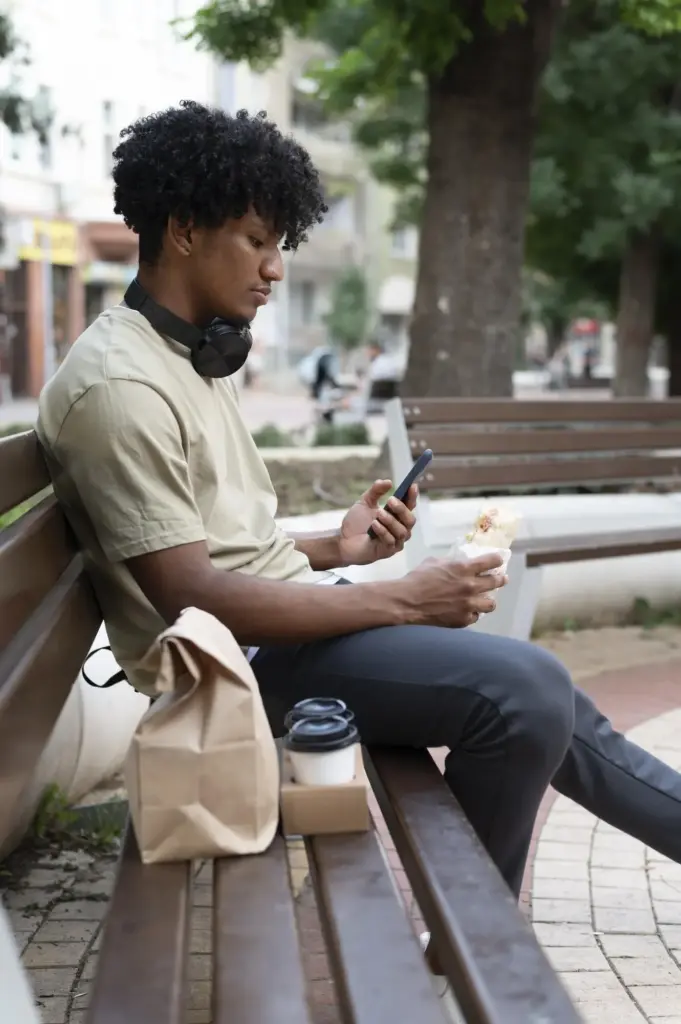
Comfort starts with a place to pause that respects bodies and sidewalks alike. A well-placed bench, a discreet leaning rail, or a pocket of shade can transform five anxious minutes into restorative calm. Thoughtful spacing preserves pedestrian flow, while details like armrests, seat dividers, and durable, climate-appropriate materials invite use without cluttering the curb. These touches signal care, reduce stress, and make every connection feel more humane.

Confidence Through Information: Real-Time Displays and Wayfinding
Clear, trustworthy information may be the smallest big amenity of all. A legible countdown board, a consistent icon set, and intuitive arrows dissolve uncertainty that amplifies every delay. Research shows perceived wait times can drop dramatically with reliable updates, while simple maps reduce wrong turns. Wayfinding placed at decision points, not after them, rescues rushed transfers. When riders feel oriented, patience grows, and small disruptions stop becoming cascading frustrations.

Clarity at a Glance
High-contrast displays with large numerals, consistent route colors, and plain-language messages calm the moment you step onto the platform. Even a low-cost e-paper board at key stops prevents the spiral of doubt that nudges riders into rideshares. When data hiccups happen, a friendly fallback—printed timetables and QR codes to SMS arrivals—keeps trust intact. Honest updates beat optimistic guesses, every single commute, every season of the year.

Wayfinding That Shortens Perceived Distance
Breadcrumb signage—tiny, frequent, consistent—shrinks long corridors and unfamiliar blocks. Color-coded lines repeated on floors, poles, and shelter ribs reassure moving travelers without demanding extra attention. Maps mounted at eye level with a bold “you are here” dot guide decisions before a fork appears. Landmarks and time estimates make detours less scary. When the path narrates itself kindly, steps feel lighter, transfers feel achievable, and missed stops become rare.

Accessible Information for Every Rider
Icons, braille, raised lettering, and audio beacons widen the circle of confidence beyond fluent readers and native speakers. Multilingual labels meet people where they are, while tactile station maps orient hands and minds together. Avoid visual clutter that overwhelms neurodiverse riders; prioritize hierarchy and contrast. Keep speaker volumes humane, with clear diction and chimes that distinguish platforms. Inclusivity here is not decoration; it is a navigational lifeline for many.
Safer Steps: Crosswalks, Lighting, and Tactile Cues
Safety lives in details drivers rarely notice but walkers always feel. Warmer, evenly distributed light invites presence and discourages reckless speeds. Zebra crossings with short distances and patient signals protect strollers and wheelchairs. Tactile paving nudges feet toward predictable paths, while audible cues confirm the right moment to cross. These modest changes save minutes, yes, but also heart rates, tempers, and occasionally lives—quiet heroics at the curb, one corner at a time.

Seamless Connections: Micromobility Docks and Bike Integration
First- and last-mile options turn a good line into a great system. A nearby docked bike, a secure rack, or a tidy scooter corral can erase a tedious twenty-minute walk. Borrowed curb space becomes connective tissue when well managed. Integration is not flash; it is distance shrinkage, sweat reduction, and time reliability. With gentle organization and fair pricing, small curbside choices invite healthier, happier commutes that remain delightfully ordinary.

Small Tech, Big Relief: USB, Wi‑Fi, and Charging Perches
Power and connectivity turn delays into manageable pauses. A phone at five percent amplifies every uncertainty, while a quick top-up and a data link restore control. Simple, well-signed charging points, paired with steady public Wi‑Fi, support trip planning, safety calls, and accessibility apps. These features need not feel corporate; done humbly, they read as hospitality. They buy grace for the system, and breathing room for the rider.
Cleanliness and Care: Bins, Water, and Maintenance Rituals
A clean, well-tended stop reads as an invitation, not an apology. Litter disappears when bins sit where hands actually need them, and water fountains offer kindness on scorching days. Routine, visible maintenance communicates that riders matter today, not after some distant overhaul. Clear contact numbers and QR codes make reporting issues easy, accelerating fixes. These rituals are quiet contracts between agencies and neighbors, renewing trust with every wiped bench and tightened bolt.
Faster Queues: Off-Board Payment and All-Doors Boarding
Curbside validators and tap-to-pay pylons move transactions out of the doorway bottleneck. Even conservative estimates show ten to twenty seconds saved per stop, compounding into fewer bunching events. Proof-of-payment teams appear lightly and respectfully, keeping dignity intact. When machines accept cash and cards without drama, equity improves. These are small boxes with big calendars inside, gifting minutes back to riders and staff over thousands of quiet, efficient boardings.
Painted footprints, arrows, and small stanchions choreograph movement without barking orders. Bus bulbs widen space at crunch points, letting rear doors align with sidewalks for level boarding. Operators regain sightlines, passengers spread along the platform, and jostling deflates. These cues need regular refreshes, but the payoff is daily: smoother merges, fewer apologies, and less door dwell while people search bags. It feels like common sense finally given form.
Subtle floor decals, doorway numbers, and quiet chimes cue boarding zones better than scolding announcements. Shelters that open toward door positions nudge riders into natural lanes. Edge lighting marks safe thresholds at night. When entrances welcome many at once, mobility aids, strollers, and luggage move without friction. The choreography is humble yet precise, turning a messy crowd into a flowing pattern that respects time and bodies equally.
Community Spark: Art, Greenery, and Soundscapes

Art That Turns Waiting into Wonder
Rotating displays, mosaics, or playful posters transform blank panels into neighborhood galleries. People linger with curiosity rather than impatience, and vandalism drops when surfaces feel loved. QR plaques share artist stories and event calendars, knitting culture into commutes. Lighting that flatters color doubles as safety illumination. This is not spectacle; it is belonging, refreshed a few times a year on a budget measured in paint, permissions, and local applause.

Green Pockets that Cool and Soothe
Slender trees, hardy natives, and self-watering planters reclaim inhospitable corners while avoiding root conflicts with utilities. Shade lowers platform temperatures, protecting elders and outdoor workers waiting between shifts. Pollinator-friendly species delight kids on school runs. Maintenance partnerships with nearby shops keep leaves lush. Even a single vine wall dampens engine noise and softens edges, turning a harsh curb into a cooler, kinder edge where minutes pass more gracefully.
Gentle Sound Shaping for Calm Platforms
Soft chimes for arrivals, clear but not blaring announcements, and acoustic panels hidden in ceilings can tame echo and stress. Directional speakers target waiting zones, reducing spillover to homes above. Measured decibel caps protect rest, while intelligibility metrics protect comprehension. The result is clarity without clamor, helping riders hear names, times, and changes the first time, even with strollers squeaking and delivery trucks idling nearby.
All Rights Reserved.