
Comfort at the Curb: Little Things That Make Streets Walkable
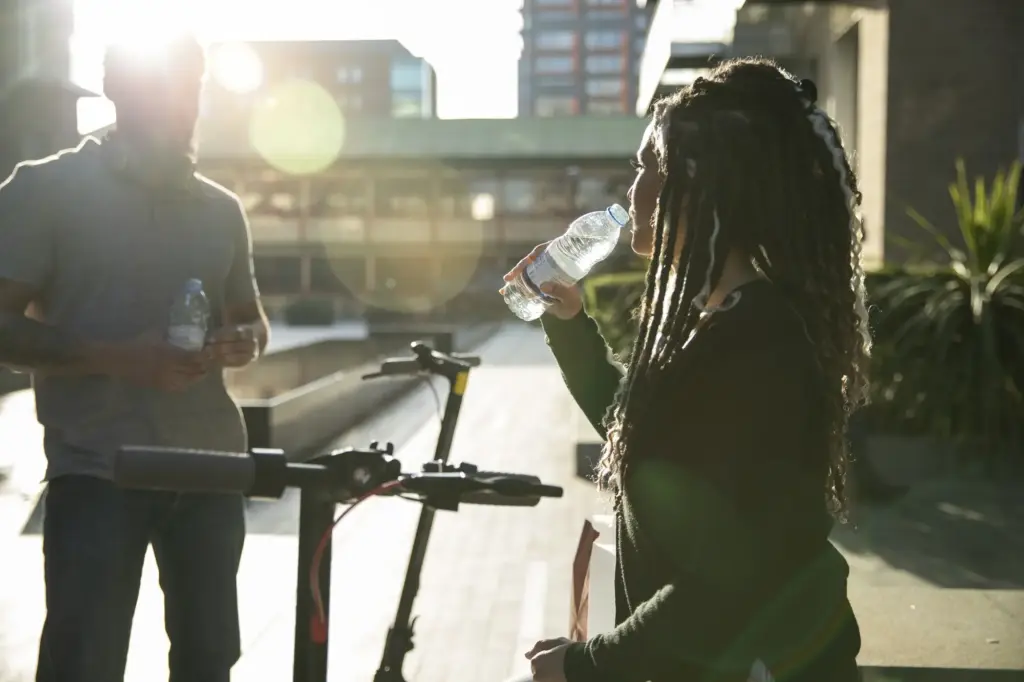
Step onto the sidewalk with us as we explore Street-Level Details: Benches, Shade, and Lighting that Improve Walkability. Through stories, practical design moves, and evidence from cities worldwide, we’ll show how small comforts transform errands into pleasant strolls, invite neighbors to linger, and help every age walk farther, safer, and happier.


Why Small Interventions Change Entire Journeys
Little adjustments at eye level and hand height ripple through an entire trip. A place to sit restores energy, a patch of shade lowers radiant heat, and consistent light reduces anxiety after dusk. Research and lived experience align: when comfort increases, people choose to walk, dwell, and chat. These humble elements nurture equity too, making everyday journeys easier for kids, elders, caregivers, and anyone carrying groceries, pushing strollers, or recovering from injury.
Benches That Invite People to Linger
A good bench is an invitation, not a command. Placement along natural walking lines, comfortable backs and armrests, and views toward life on the street encourage lingering without loitering stigma. Thoughtful gaps allow wheelchairs and strollers to join the gathering. Durable materials and storytelling plaques honor local histories and daily rituals.

Trees as Multi-Benefit Assets
Canopies cool air and surfaces, intercept stormwater, host birds, and calm traffic. Selecting resilient, regionally appropriate species, spacing for roots, and protecting soil volume yield decades of comfort. Shade aligns beautifully with climate goals, health equity, and property vitality when urban forestry is treated as core infrastructure.
Lightweight Structures and Flexible Shade
Retractable awnings, umbrellas, and tensile sails answer seasonal needs where trees cannot thrive. They deploy for markets, queueing, or festivals, then stow before storms. With modest budgets, communities can test placements, tune heights for airflow, and brighten grey corridors using color, pattern, and playful, changeable light.
Even Light Beats Bright Spots
Large contrasts force eyes to constantly adjust, hiding hazards at the edge of vision. Prioritize uniformity ratios over maximum lux, and light vertical surfaces where people read faces and signs. Consistency, not brute brightness, keeps walkers relaxed, observant, and willing to explore an extra block.
Warm Color and Circadian Care
Cool blue light can feel clinical and disruptive after sunset. Warmer tones around 3000K are increasingly favored for pedestrian areas, balancing visibility with comfort and ecological care. Gentle color helps streets feel welcoming, supports sleep patterns, and flatters materials, people, and planting after daylight fades.
Designing Routes That Flow Naturally
Walkable streets feel like sentences with punctuation—phrases of movement separated by satisfying pauses. Regular opportunities to rest in shade roughly every block, clear crossings, and active edges sustain momentum without strain. Rhythm matters: a reliable sequence reassures first-time visitors, supports families, and helps older neighbors walk independently.
Edges, Thresholds, and Pauses
Trees, planters, ramps, and textured paving outline comfortable edges that guide cane tips and stroller wheels. Thresholds at doorways offer tiny stages to greet friends. Benches mark pauses without blocking flow, creating humane intervals that make a ten-minute errand feel kind to knees and lungs.
Corners, Crossings, and Cues
Tight curb radii, daylighted corners, and well-placed bollards slow turning traffic and open sightlines. Lighting that continues across crosswalks, and paint that stays visible in rain, cue walkers to move confidently. Audible signals, median islands, and refuge benches carry everyone across complex intersections.

Community Voices and Tactical Trials

Pop-Ups That Teach Quickly
Weekend pilots reveal where people actually sit, which angles catch breeze, and how nighttime patterns shift. Cardboard mockups and borrowed chairs answer questions faster than memos. Iterating in public builds empathy, reduces risk, and gives officials confidence to invest with community blessing and clear evidence.

Measuring What Matters
Track dwell time, smiles, stroller traffic, and shade coverage alongside traditional counts. Short surveys in multiple languages capture barriers and ideas. Photos at the same hour across seasons tell a persuasive story. When everyday users shape metrics, success reflects lived reality, not only spreadsheets and models.

From Pilots to Permanent Funding
After early wins, translate delight into maintenance plans, procurement templates, and cross-department budgets. Philanthropy can seed projects, but stable operations keep benches clean, lights tuned, and trees healthy. Celebrate milestones, share before-afters, and invite readers to subscribe, comment, and champion the next block with neighbors.
All Rights Reserved.